
NEUROPLASTICITY — FOR HIGH SCHOOL STUDENTS
DR. MATILDA A. EVANS' CLASS
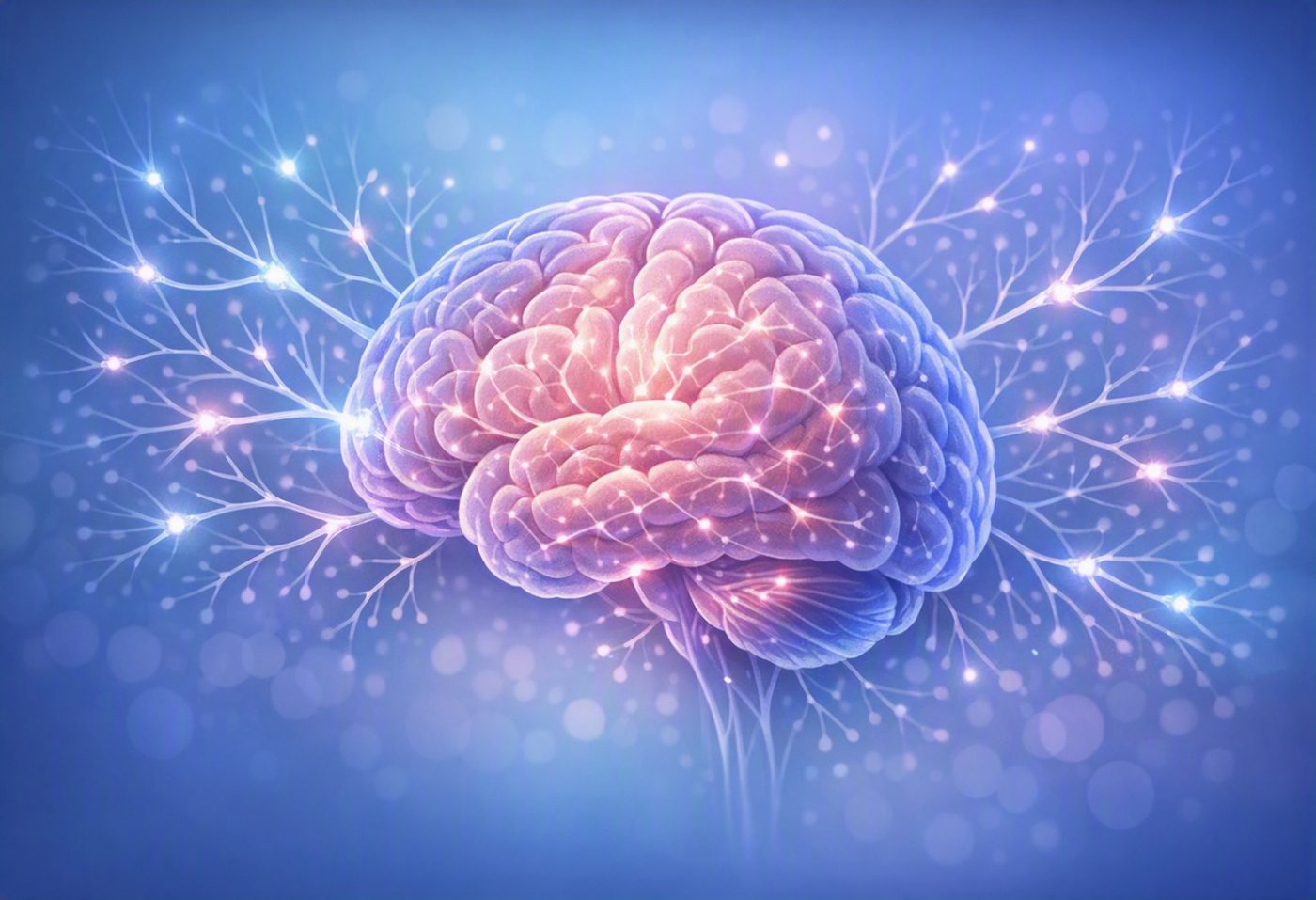
Neuroplasticity: The Brain's Ability to Change and Adapt
Neuroplasticity is one of the most important discoveries in modern neuroscience because it shows that the brain is not fixed or unchangeable. Instead, the brain can reorganize itself by forming new neural connections, strengthening useful pathways, and weakening connections that are rarely used. This ability allows people to learn new skills, recover from injury, adapt to new environments, and continue developing throughout life. For many years, scientists believed that the adult brain had very limited ability to change. Today, research shows that neuroplasticity continues from childhood into adulthood, making the brain a dynamic and flexible organ.
At its most basic level, neuroplasticity refers to the brain's capacity to change its structure and function in response to experience, learning, sensory input, development, damage, or dysfunction. When a person practices a new activity, such as playing an instrument, learning a language, or solving complex problems, the brain adjusts by strengthening the neural circuits involved in that activity. This is sometimes described as "rewiring" the brain. The more often a pathway is used, the stronger and more efficient it can become. In contrast, connections that are not used may weaken over time, a process that helps the brain become more efficient.
Neuroplasticity is especially visible during childhood, when the brain rapidly forms new connections as children explore the world, learn language, develop movement, and build social understanding. However, plasticity does not end when childhood ends. Adults also continue to learn and adapt, although changes may take more time and require repeated practice. This means that people can continue improving memory, attention, emotional regulation, and physical skills throughout their lives. The idea that growth remains possible at any age has influenced education, therapy, and personal development.
Another major reason neuroplasticity matters is its role in recovery from brain injury. After events such as a stroke, traumatic brain injury, or nerve damage, the brain may attempt to compensate by reorganizing functions and creating alternative pathways. Rehabilitation techniques, including physical therapy, cognitive training, constraint-induced movement therapy, and certain forms of brain stimulation, are designed to encourage this adaptive change. Although neuroplasticity does not guarantee complete recovery, it gives the nervous system a powerful tool for regaining abilities and improving quality of life.
Neuroplasticity also has an important connection to mental health. Habits of thought, emotional responses, and behavioral patterns are linked to neural pathways that can become stronger through repetition. This helps explain why negative patterns such as chronic stress or anxiety can become deeply ingrained, but it also offers hope. Through therapy, mindfulness, exercise, healthy routines, and repeated positive behaviors, people may strengthen healthier patterns in the brain. In this way, neuroplasticity supports the idea that change often requires practice, patience, and consistency.
Despite its promise, neuroplasticity should not be misunderstood as unlimited change. The brain is adaptable, but it is also shaped by biology, age, environment, health, and the intensity of practice. Some changes happen quickly, while others require months or years. Neuroplasticity can also be maladaptive, meaning the brain can strengthen harmful patterns as well as helpful ones. For example, repeated fear, addiction, or poor habits can reinforce pathways that make change more difficult. Understanding neuroplasticity therefore requires both optimism and realism.
In conclusion, neuroplasticity reveals that the brain is far more flexible than once believed. It allows people to learn, adapt, recover, and grow across the lifespan. From childhood development to adult learning and injury rehabilitation, neuroplasticity plays a central role in human potential. While it does not mean that every limitation can be erased, it shows that the brain responds to effort, experience, and environment. This makes neuroplasticity not only a scientific concept but also a powerful reminder that meaningful change is possible.
Study Guide: Neuroplasticity
Short Summary
Neuroplasticity is the brain's ability to change and adapt by forming, strengthening, or weakening neural connections. It helps people learn new skills, recover from injuries, adjust to new experiences, and build healthier thought and behavior patterns. Although the brain is most flexible during childhood, adults can also benefit from neuroplasticity through practice, therapy, exercise, and consistent habits.
Key Terms
- Neuroplasticity: The brain's ability to reorganize and adapt by changing neural connections.
- Neural connections: Pathways in the brain that allow brain cells to communicate.
- Rewiring: A common way to describe the brain changing its connections through learning or experience.
- Adaptive plasticity: Helpful brain changes that support learning, recovery, or healthy behavior.
- Maladaptive plasticity: Harmful brain changes that strengthen negative habits, fear, anxiety, or addiction.
- Rehabilitation: Treatment or practice used to help someone recover skills after injury or illness.
Main Ideas to Remember
- The brain is not fixed; it can change throughout life.
- Practice strengthens neural pathways, while unused pathways may weaken.
- Children usually show strong neuroplasticity, but adults can still learn and adapt.
- Neuroplasticity helps with recovery after brain injuries such as strokes or traumatic brain injuries.
- Mental health can improve when healthier thought patterns and behaviors are practiced repeatedly.
- Neuroplasticity is powerful, but it has limits and can also reinforce harmful patterns.
Review Questions
- What does neuroplasticity mean?
- How does practice affect neural pathways in the brain?
- Why is neuroplasticity important for learning?
- How can neuroplasticity help a person recover from a brain injury?
- What is the difference between adaptive and maladaptive plasticity?
- Why should neuroplasticity be understood with both optimism and realism?
Practice Prompts
- Explain neuroplasticity in your own words.
- Describe one example of neuroplasticity from everyday life.
- Write a paragraph explaining how neuroplasticity connects to mental health.
- Compare neuroplasticity in childhood and adulthood.
- Explain why repeated practice is important for changing the brain.
Special thanks to Dr. Akili Muhammad, Macon, GA for his contribution.